
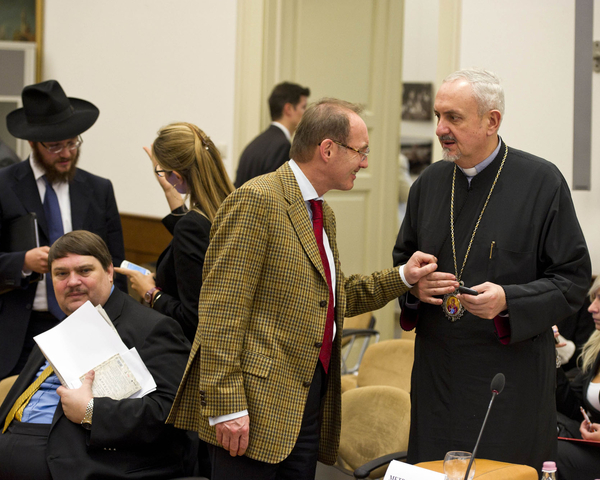
 A few months ago I offered advice to a humanist organisation doing great work to promote human rights and equality in Europe and beyond. We spoke at length about their impression of being denied access to the key discussions taking place within the EU institutions on matters to do with faith and inter-cultural dialogue. I couldn’t help but agree that inter-faith debates in Brussels frequently exclude secularism. This is a significant systemic failure that deserves to be addressed – for its influence on political debate and project funding, if anything.
I spent a long time before our meeting reflecting on the reasons why EU debates on matters of faith are not as inclusive as they ought to be. I have direct experience of running inter-cultural conferences in the European Parliament. So I understand the influence that external actors can have at every stage of the process. Such external influences can be a fundamentally positive way of keeping political debates relevant at a societal level. If they retain a sense of balance, that is.
The question is who is responsible for ensuring balance and fairness. The institutions themselves have a lot of power in this respect, naturally. But, from my experience, they are also fairly responsive to external pressures. Some humanists fear, for example, the conspiratorial influence of the Catholic Church. It’s certainly true that many MEPs and EU civil servants do not disclose their allegiance and links to particular faith organisations. But the reality is that most lobbying by churches takes place overtly, using professional strategies and established channels. The Catholic Church are a good example of successful lobbying that results in influence on political debate and a seat at the discussion table.
Amplified makes it its mission to help social progressives gain access to the corridors of power via the same established channels used by conventional interest group lobbying. They must overcome their outsider complex and be armed with the knowledge, confidence and contacts that are needed to have an impact. The balance of influence often tilts towards established interests, but their wheels also squeak much louder. This can and should change.
 Amplified