
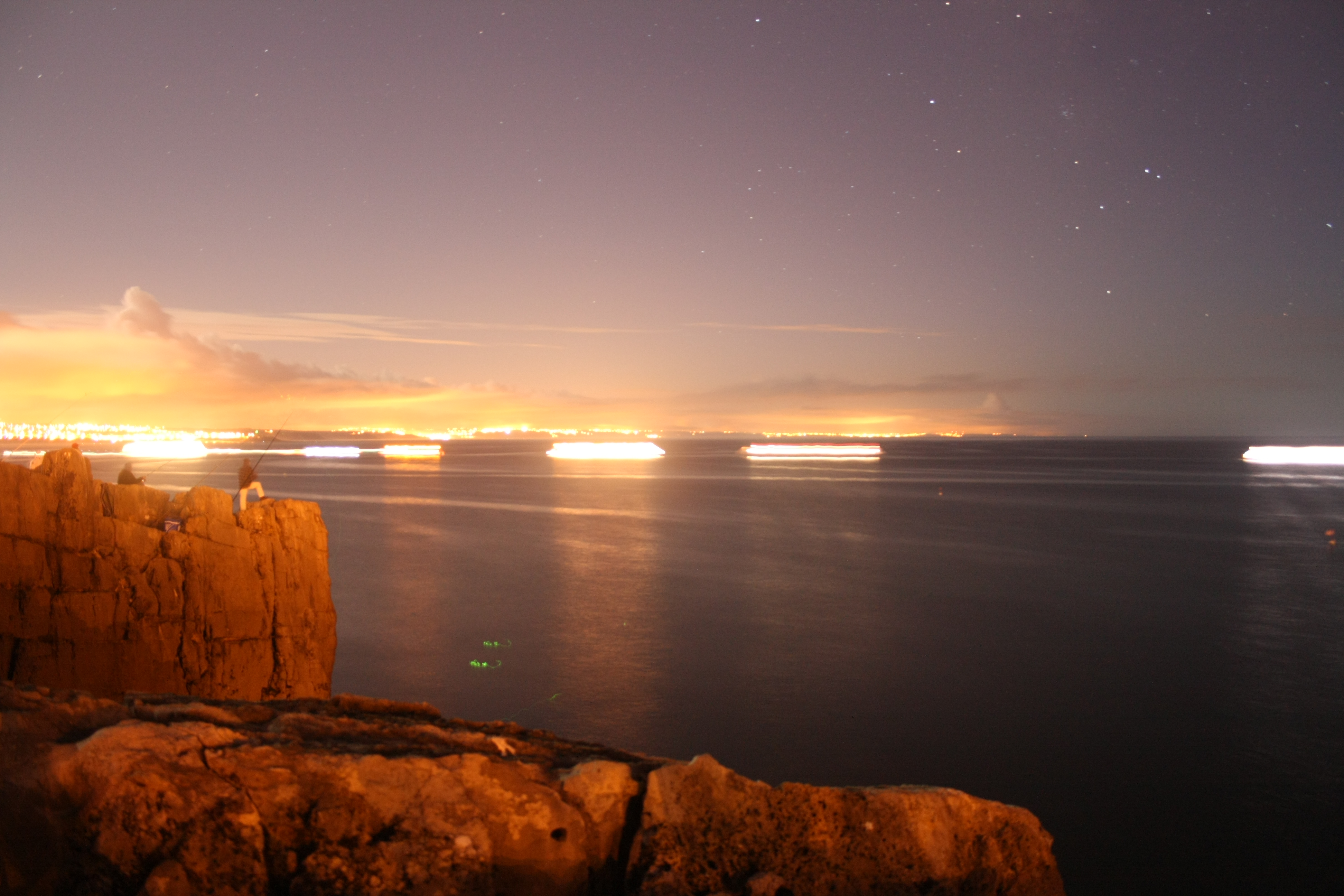
 Having just returned from a week in a once thriving fishing community in Portugal, I read an article about a much-needed campaign to improve the access of small-scale fishermen to EU-regulated fishing quotas. EU fishing quotas were introduced in the 1970s and 1980s to help protect European fish stocks and the livelihoods of European fishermen. Perversely, through bad design and questionable implementation at national level, they have ended up exclusively favouring the big fishing industry, who are trawling the seas unsustainably, depleting fish stocks and destroying centuries-old small-scale fishing communities all over the EU.
In short, the quotas are blasting into oblivion the very things they were designed to protect.
The Common Fisheries Policy reform expected in 2012-2013 will be a real test of how willing and capable we are of prioritising sustainability and the survival of traditional communities over the interests of big business. The Fair Fishing Manifesto published by Greenpeace and Nutfa is not some tree-hugging pipe dream. It’s the illustration of multiple tragedies taking place right now in front of our very eyes. They require us to pay attention and take urgent action.
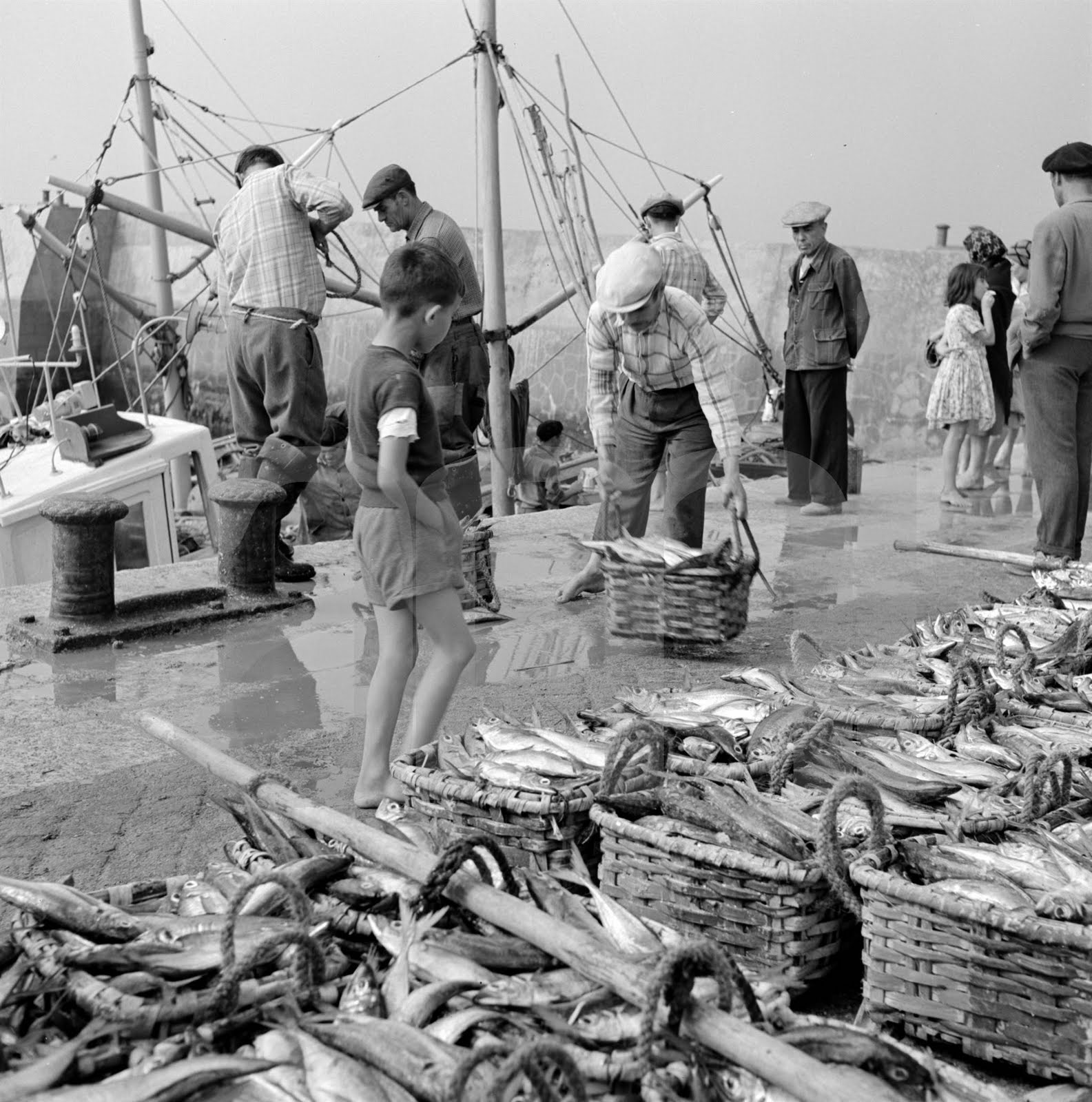 I married into a Portuguese family with a proud fishing heritage in Peniche, a tiny windswept rock of Atlantic wilderness and mind-boggling human resilience. Two generations back, they earned their living exclusively from fishing, along with most of the people of Peniche. Arnaldo, my husband’s paternal grandfather, went out to sea in his own small boat, while Zacarias, the other granddad, worked on traditional ‘traineiras’, finishing his career on the charmingly named ‘O Atleta’ (The Athlete).
 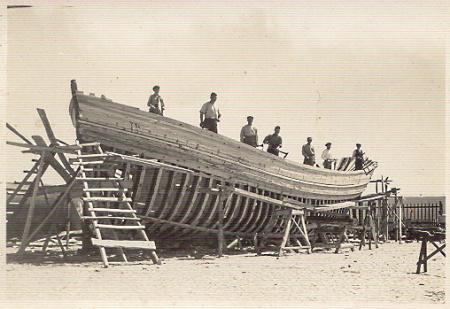 Grandma Isabel spent her days mending fishing nets with other fishermen’s wives, uncle Arnaldo was a fish auctioneer at the Peniche fish market, while my wonderfully brave and wise father-in-law started his working life building fishing boats on the beach at the old Peniche ‘estaleiro’.
These days, the only family member involved in fishing is uncle Urban, selling fish from his little refrigerated van and finding it increasingly hard to make ends meet because of fish stock depletion and decreasing profit margins. Peniche itself is faced with an employment crisis, with the only opportunities on offer being a handful of food processing plants and an emerging tourism industry fuelled primarily by young Northern European surfing enthusiasts. The ocean has been fished to within an inch of its life.
Two generations ago, the people of Peniche knew not to fish all year round, to allow stocks time to reproduce, grow and replenish. Nowadays such practices are deemed commercially unsound. Our trawlers are merciless and relentless, our technology unbeatable, the few who profit are drunk on greed, while our oceans lie increasingly empty and communities wither away.
There was nothing unavoidable about any of this. But it takes courage to keep greed and recklessness in check, even when not doing so means spiralling uncontrollably towards disaster. Us humans have real trouble imagining alternatives to ‘business-as-usual’. By next year the EU’s decision making-process will be complete and we will know if the CFP reform is anything more than another collective failure of the imagination. I wholeheartedly hope that it is.

 Amplified